Marrakech, known as the “Red City,” is a living museum of Moroccan history and culture. Its ancient architecture, vibrant markets, and serene gardens offer a sensory feast for every traveler.
This iconic square is a hub of activity, featuring street performers, food stalls, and market vendors. Visit in the evening to witness the transformation into a lively bazaar.
Built in the 19th century, the Bahia Palace showcases intricate tilework, lush gardens, and ornate courtyards. Guided tours provide insight into its historical significance.
Discovered in 1917, the Saadian Tombs are a testament to the city’s rich past. The tombs feature beautiful mosaics and a peaceful atmosphere.
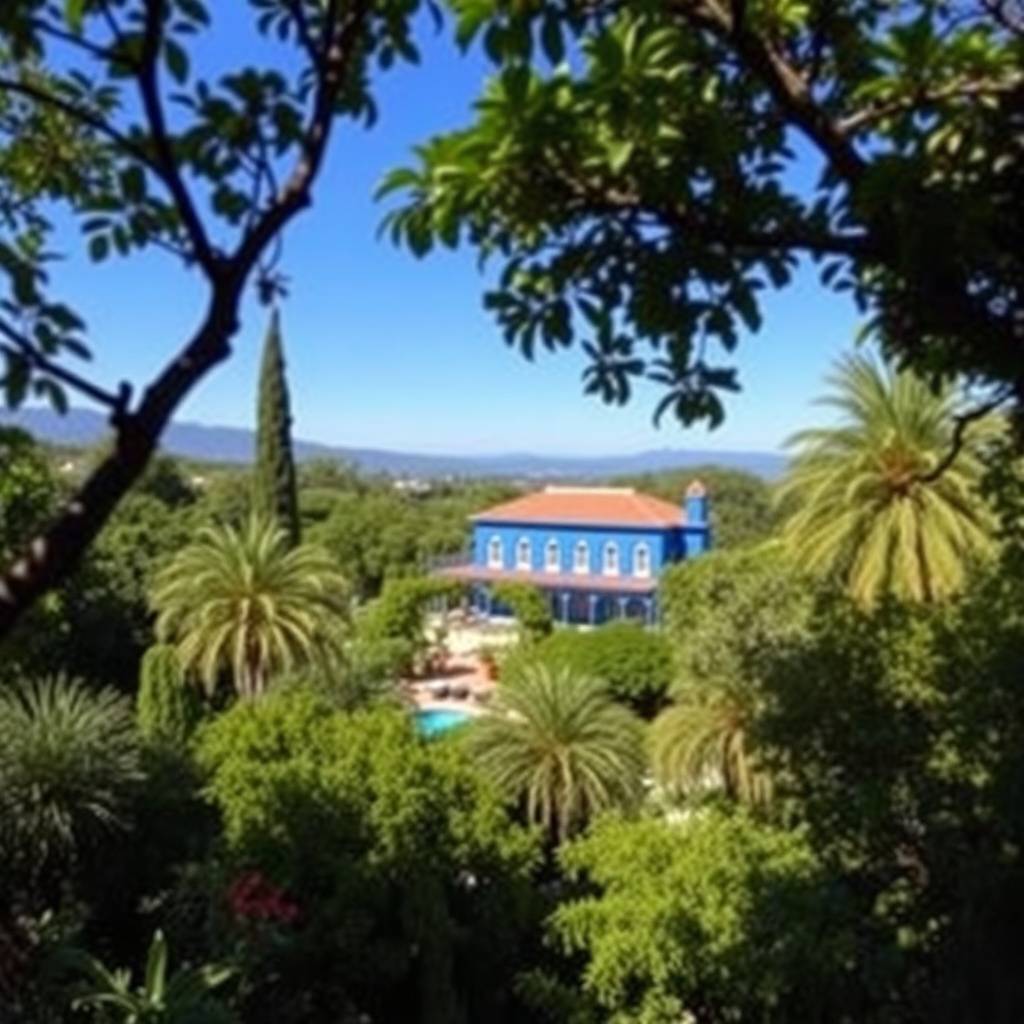
Once owned by Yves Saint Laurent, the Majorelle Garden is famous for its cobalt blue buildings and lush botanical collection. It’s a perfect spot for photography and relaxation.
Use Afrotourist’s attractions guide to purchase tickets in advance and avoid long queues. Consider a guided walking tour to fully appreciate the city’s history.